Skip to content
MARVELOUS SWEATERSLtd · Est. 2007

MSL/05/FLOW

IndexProcess

05Process

Enquiry to export,
in eight stages.

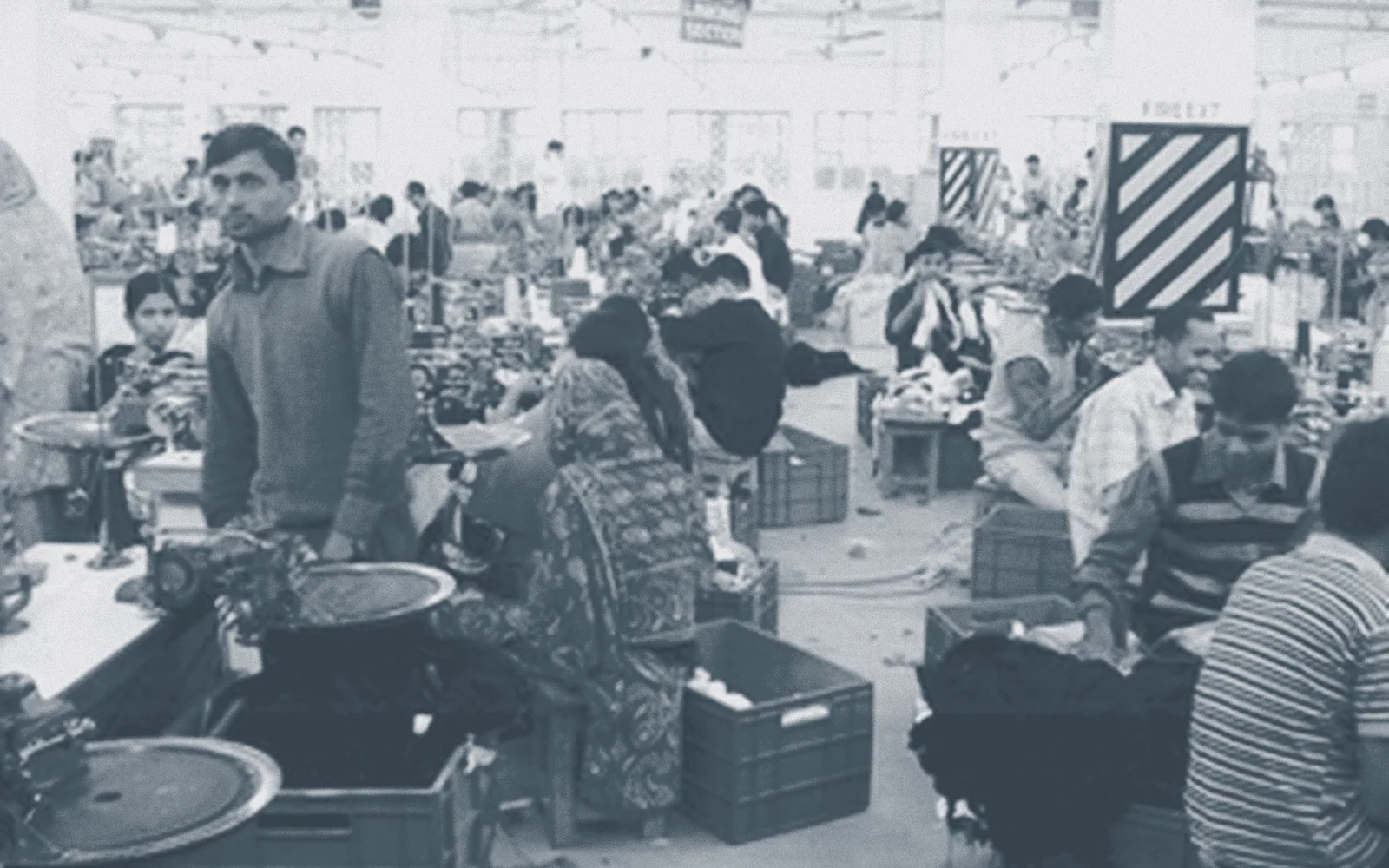
Knitting, linking, washing, finishing, inspection and packing all happen in the same building. Nothing is quietly subcontracted to a floor you have not seen — which is why a fault found on Tuesday is a fault fixed on Tuesday.

Stages
8
Sampling
10 – 21 days
Bulk
60 – 95 days
Under one roof
All of it
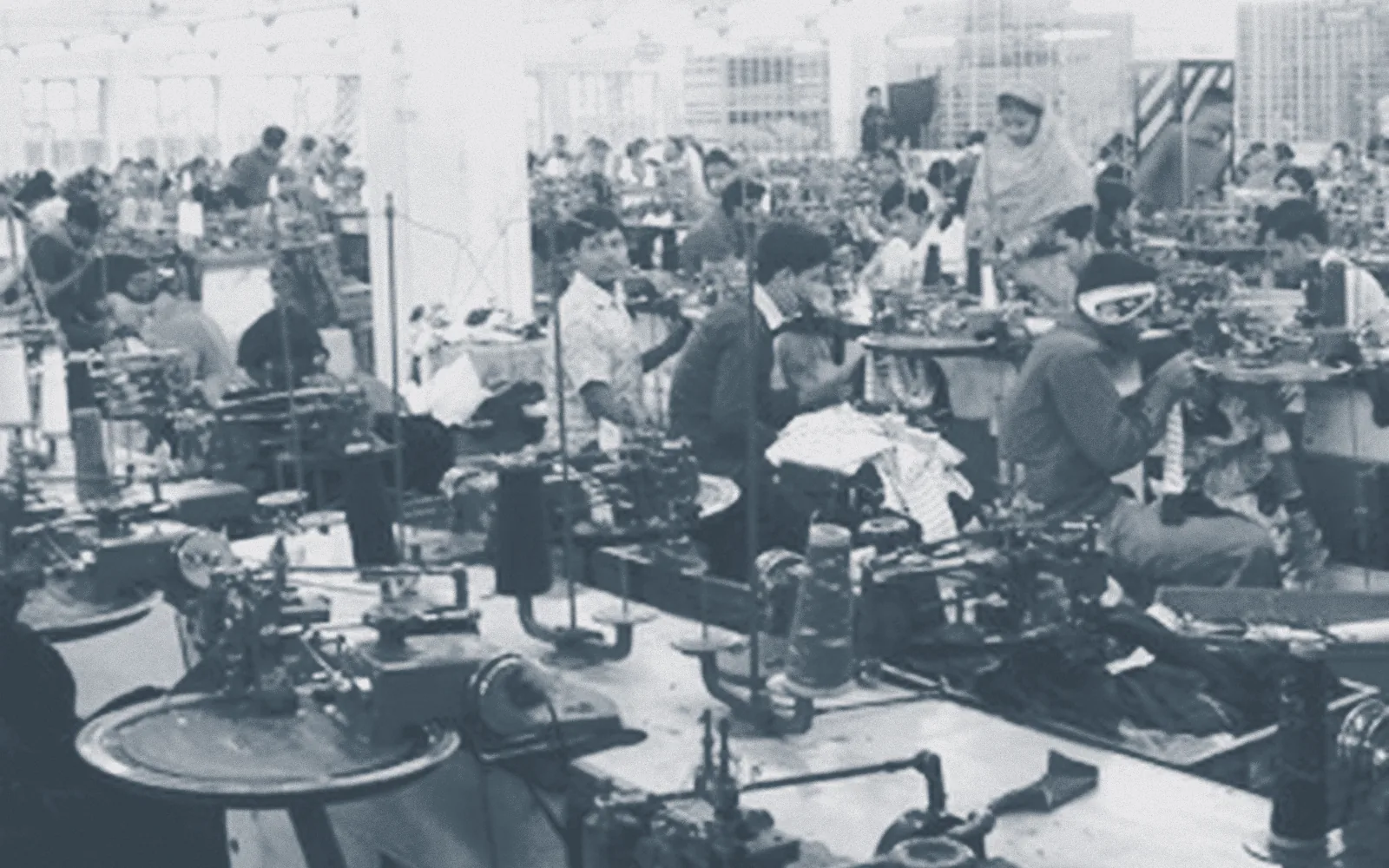
The linking floor, panels being joined into garments
05.1The run
  1. 01

    2 – 4 days

    Enquiry & costing

    You send a sketch, a tech pack or a physical garment. We come back with a knitted-weight based cost, not a guess: yarn count and consumption, machine time by gauge, linking operations, wash recipe and trims are each priced separately so you can see what is driving the number and where it can move.

    Owner

    Merchandising

    You receive

    • Costed quotation
    • Yarn consumption estimate
    • Indicative capacity window
  2. 02

    7 – 14 days

    Yarn & trim sourcing

    Yarn is sourced against the approved quality and count, from domestic spinners for standard acrylic and cotton counts and from overseas suppliers where a specialist blend is required. Lab dips are raised against your standard and assessed in the colour cabinet under controlled light before anything is committed.

    Owner

    Sourcing

    You receive

    • Lab dips
    • Trim card
    • Yarn lot allocation
  3. 03

    10 – 21 days

    Design & sampling

    The sampling and design department has run since January 2007 — six months before the factory itself. Charts are built per size rather than scaled, blocks are graded, and the proto is knitted on the same gauge and machine type that will run the bulk, so what you approve is what the floor can repeat.

    Owner

    Design & sampling

    You receive

    • Proto sample
    • Fit sample
    • Graded size set
    • Approved chart
  4. 04

    Programme dependent

    Knitting

    Panels are knitted on 490 machines across 3GG, 5GG, 7GG and 12GG — 420 hand-driven flat beds for intarsia, texture and short runs, and 70 auto jacquard machines for all-over colourwork and fine gauge volume. Panels are counted off the bed, weighed against the approved sample weight and lamp-inspected before they leave knitting.

    Owner

    Knitting floor

    You receive

    • Knitted panels
    • Panel weight record
    • In-line defect log
  5. 05

    Programme dependent

    Linking & making-up

    Shoulders, sleeves, side seams and necklines are joined on 180 dial linking machines at 14G, 8G and 6G to match the panel gauge. Overlock, flatbed interlock, buttonhole and snap operations follow. This is where a sweater becomes a garment, and where most of the labour hours actually sit.

    Owner

    Linking floor

    You receive

    • Assembled garment
    • Trim attachment record
  6. 06

    3 – 6 days

    Wash & finishing

    Garments are washed to a written recipe per quality on four automatic washers, extracted, tumble dried and pressed on 44 vacuum iron tables. Handle and shrinkage are both set here, so the recipe is locked at sample approval and is not adjusted for bulk without a re-approval.

    Owner

    Finishing

    You receive

    • Washed and pressed garment
    • Shrinkage record
    • Handle sign-off
  7. 07

    Runs with production

    Inspection

    Quality is checked during production rather than after it. Inspectors work under ten dedicated lamps at panel, assembly and final stages, and a remedy is issued on the spot where one exists. Every finished garment passes a conveyor metal detector before packing. Final inspection is offered to AQL 2.5 or to your own protocol.

    Owner

    Quality assurance

    You receive

    • In-line QC reports
    • Final inspection report
    • Metal detection pass
  8. 08

    3 – 5 days

    Packing & export

    Folded or hanging, poly-bagged to your specification, cartoned and strapped on an automatic PP belting machine. Export documentation is prepared against the L/C terms, and shipment status is reported against the agreed shipping window rather than on request.

    Owner

    Commercial

    You receive

    • Packing list
    • Export documents
    • Shipment confirmation
05.2Lead times

Plan against these.

Indicative and honest. The variable that moves them most is not the factory — it is how long yarn approval takes on your side. Colour sign-off is almost always the critical path.

Indicative lead times
StageLead timeMeasured from
Proto sample10 – 21 daysFrom receipt of tech pack and approved yarn
Size set7 – 10 daysAfter proto approval
Pre-production sample10 – 14 daysAgainst bulk yarn and bulk trims
Bulk production60 – 95 daysEx-yarn, by construction and colour count
Final inspectionRuns with productionAQL 2.5 or your own protocol
05.3Vendor selection

We are audited the same way we audit.

Where a programme needs capacity beyond our own floor, allied production units are enlisted against a written evaluation guideline built to international standard — the same document a buyer would use on us. Our QA team visits on a regular cycle rather than on order. You are told which unit is running your goods before it starts, not after.